The promise is one sentence. We deliver your project through the final checklist by the completion date on your signed schedule — or we take 5% off the entire project.
Not 5% of the delay. 5% of the whole job.
Why anyone can afford to promise that
Because the schedule is not a hope. It is built during planning, before anyone lifts a hammer, and then it is watched every single day.
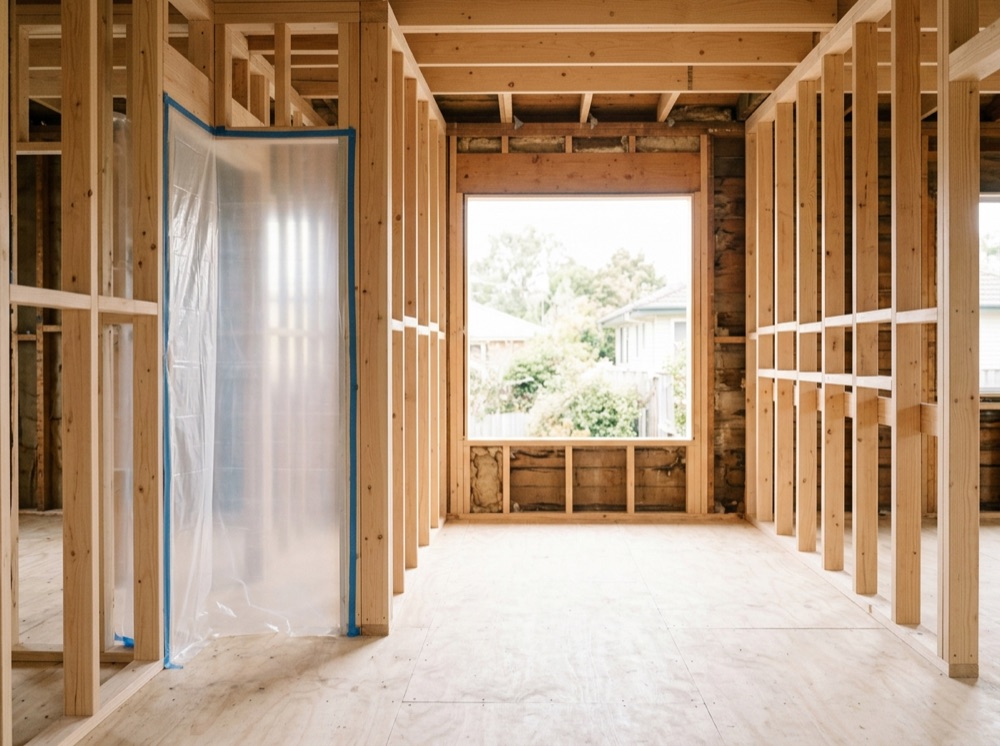
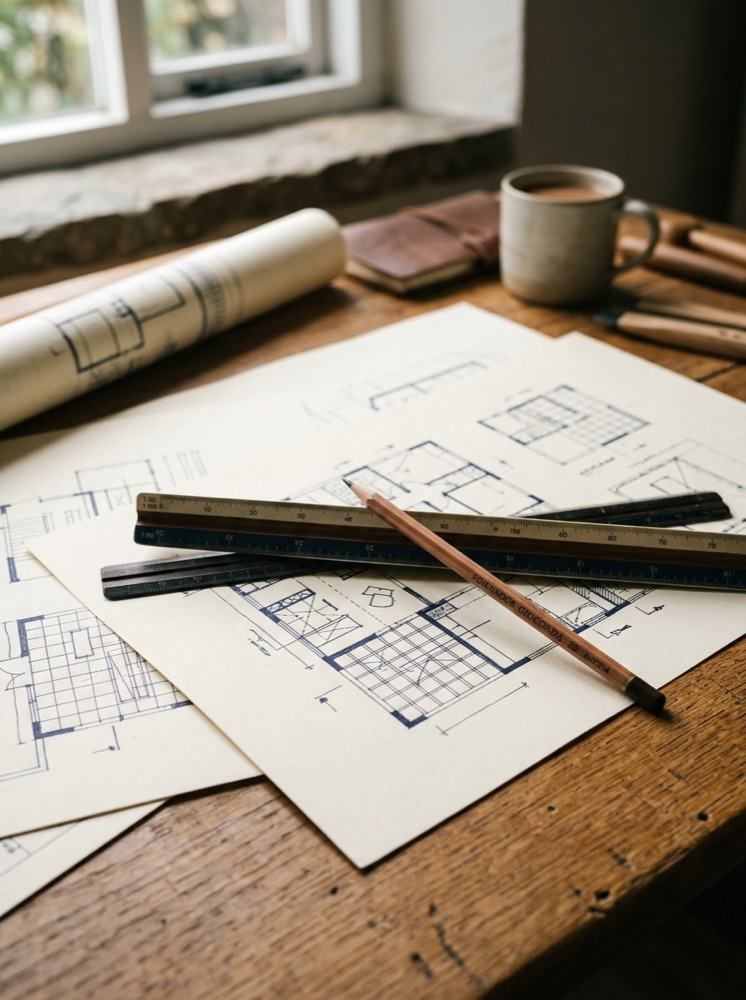
Most contractors have two phases: sign the contract, start swinging. When a project runs on that model, the date is a guess, and a guess is not something you can put money behind. Ours has five phases, and two of them — Architectural Planning, then Selections & Final Design — happen before construction. By the time the build starts, the drawings are finished, the permit is pulled, every cabinet and slab and fixture is chosen, and the budget, the scope and the schedule are locked. Nothing is a moving target.
Then a dedicated Project Manager runs the build and holds an 8:30 AM team meeting every morning. Every stage of every trade is inspected against the written standard before the next one starts. A schedule that is checked every day rarely surprises anyone at the end.
What "through the final checklist" means
Not "substantially complete." Not "the last trade left." The project is done when the final walkthrough — with you, against a signed punch list — is finished. That is the moment the date is measured to.
What happens if the date moves
Dates move on real projects for real reasons: a condition found behind a wall, a change you ask for, a material that arrives wrong. The difference is what happens next. Every one of those becomes a written change order with a price and, where it applies, a schedule change on it — signed by you before the work continues. You always know where the date stands, and why, because the schedule in your app shows every move and the reason for it.
Where to read the fine print
The full terms — what triggers the guarantee, how the 5% is applied, and what counts as a change to the signed schedule — are on the guarantee page. Read them before you sign; they are written to be read.
We can put our own money behind the date because the date was built, not guessed.